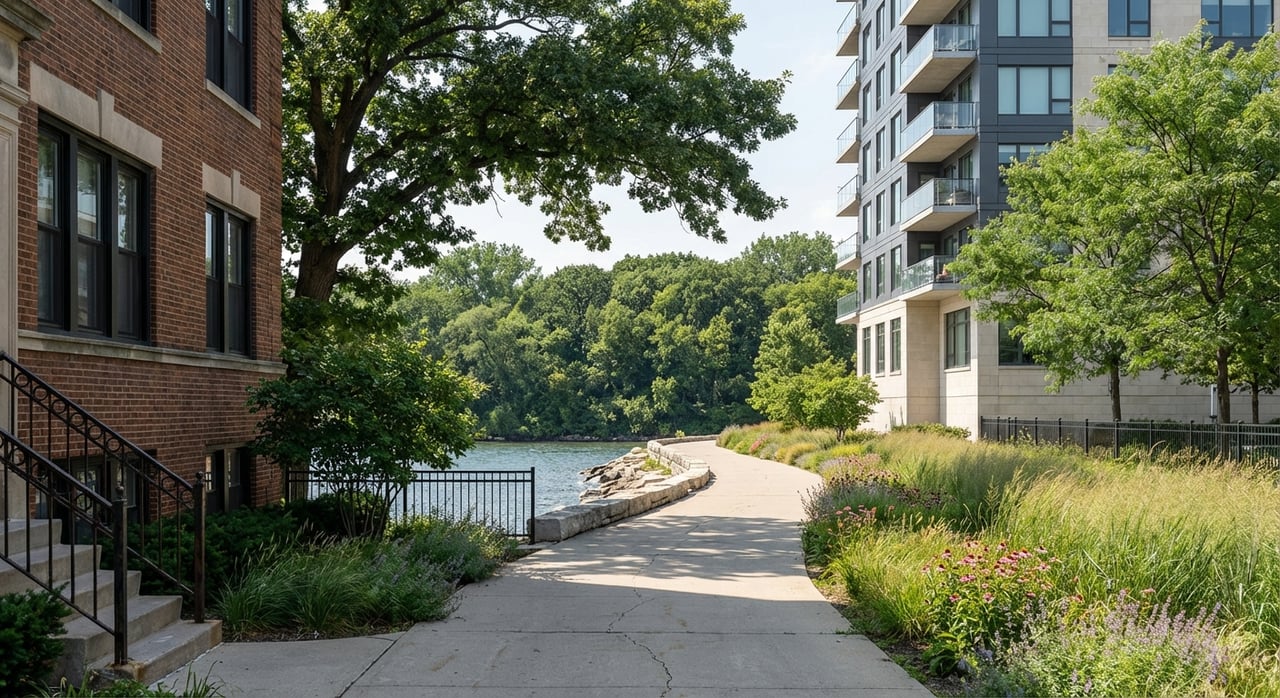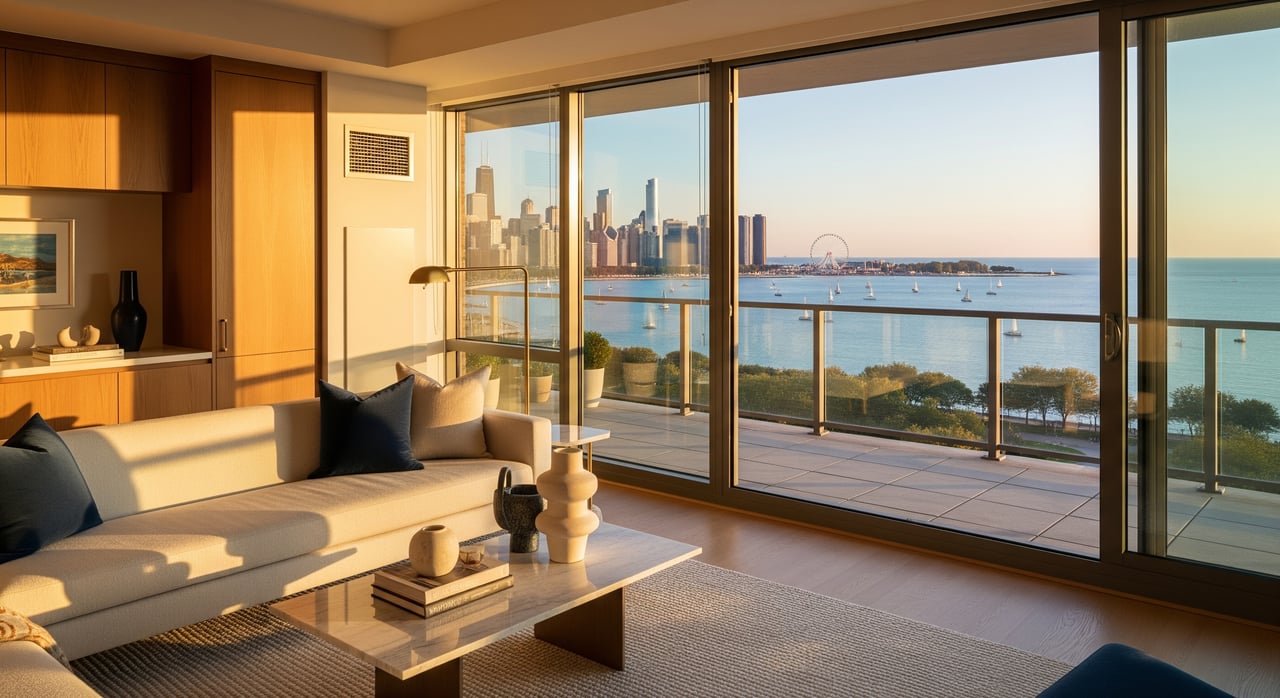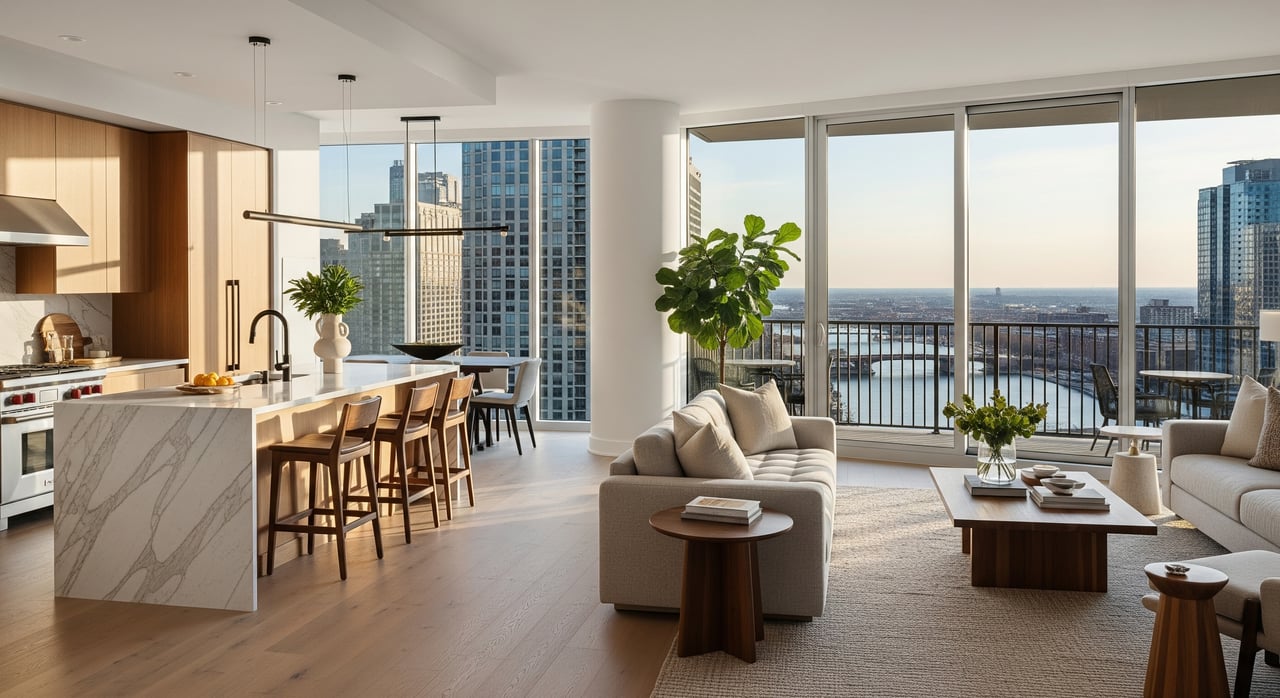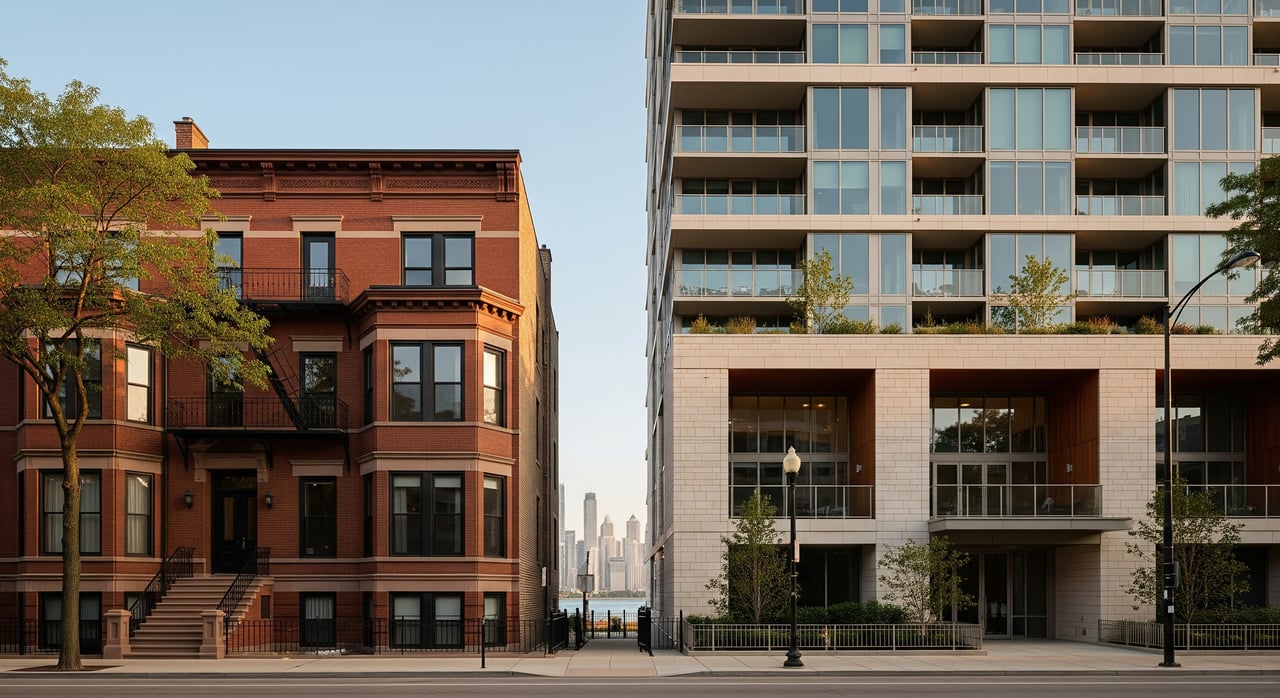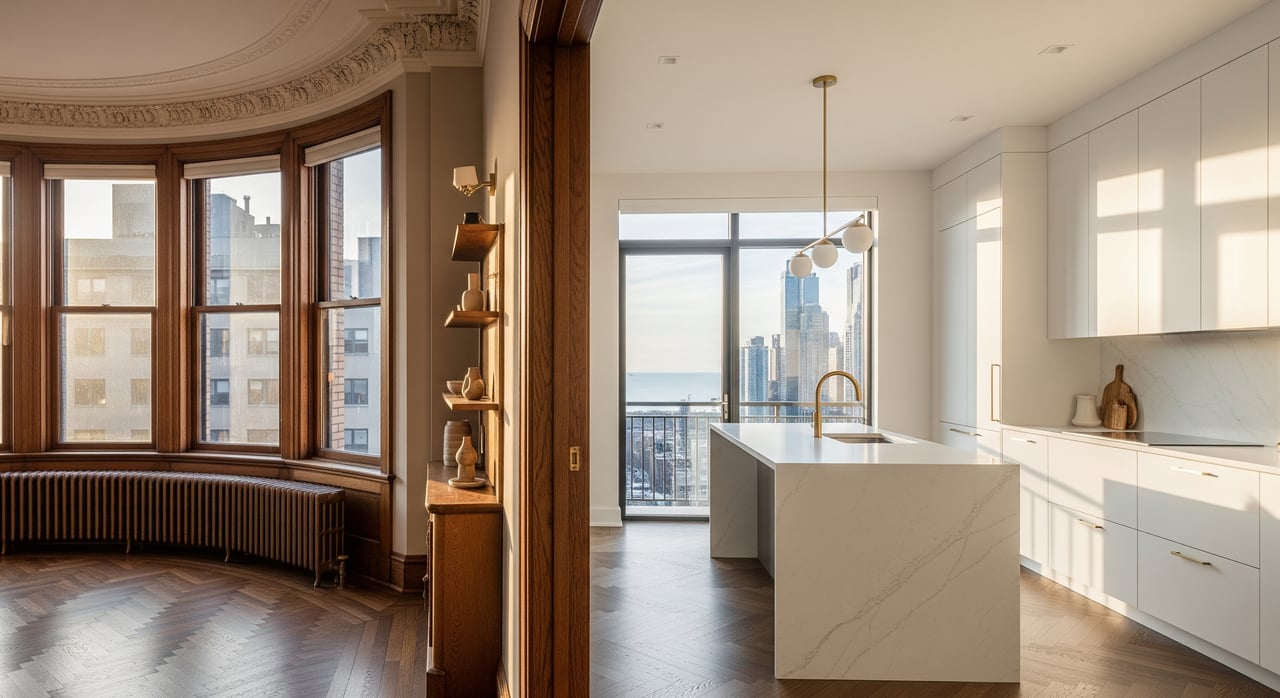
Torn between vintage charm and modern convenience in Lake View? You are not alone. With options that range from greystone walk‑ups to full‑amenity towers along the lakefront, choosing the right condo can feel overwhelming. This guide breaks down how vintage and newer condos in Lake View really compare, what to watch for in each micro‑area, and the due diligence steps that protect your budget and comfort. Let’s dive in.
Lake View condo types at a glance
Lake View is a large, diverse area with several micro‑markets that shape your choices.
- Southport Corridor: Low‑ to mid‑rise masonry buildings with many pre‑war condo conversions. Expect greystones, courtyard buildings and 2–6 story brick walk‑ups.
- Wrigleyville: A mix of vintage 2–4 unit buildings and denser infill or mid‑rise projects. Proximity to Wrigley Field influences noise, events and rental demand.
- Lakefront corridors (Sheridan and N. Lake Shore Drive): Older luxury high‑rises and newer towers with larger amenity packages.
Vintage typically means pre‑war construction from the 1890s to the 1940s. Newer spans post‑war mid‑century through recent infill and towers built in the 1990s–2020s.
Layout and living space
Vintage: character and defined rooms
Pre‑war condos often deliver high ceilings, plaster details, hardwood floors and separate dining rooms. Rooms are more defined than open. You may see irregular room shapes or stair access in multi‑level units. Closet space can be limited unless a remodel added storage.
Newer: open flow and in‑unit conveniences
Modern buildings tend to feature open kitchen‑to‑living spaces, larger closets, and en‑suite baths. In‑unit laundry is common. Layouts are more predictable and optimized for day‑to‑day living.
Key takeaway: Vintage gives you distinctive architecture and sometimes larger footprints, while newer delivers efficient layouts and built‑in storage.
Noise and location factors
Vintage and newer: different strengths
Vintage masonry can block some street noise, but older floors and single‑pane windows can transmit sound between units. Newer buildings often include double or triple glazing, insulated walls, and resilient floor systems that help with acoustics. Amenity spaces in newer buildings can add another kind of noise, depending on placement and design.
Lake View specifics to test in person
- Wrigley Field: Expect intermittent noise, foot traffic and street closures on game and event days near the park.
- Southport Corridor: A lively dining and retail scene brings nightlife noise on certain blocks.
- Lakefront and Lake Shore Drive: Traffic noise varies by setback, window quality and floor height.
Visit listings at different times, including evenings and game days where relevant, to gauge real‑world noise.
Windows, insulation and energy
Vintage
Many vintage units started with single‑pane wood windows and minimal wall insulation. Some buildings have completed window replacements and energy upgrades, but this varies. Without upgrades, you may see higher heating and cooling costs.
Newer
Modern construction usually includes thermally broken frames, double or triple glazing, insulated wall assemblies, and mechanical ventilation. Central systems and in‑unit HVAC tend to be more efficient, though your cost depends on which utilities are included in assessments.
What to look for: Ask for recent energy bills, window replacement history, and any insulation projects noted in association minutes.
Mechanicals and building infrastructure
Vintage
Common items to verify include boiler age and service, radiator systems, cast‑iron plumbing stacks, and the status of electrical upgrades. Masonry buildings may face tuckpointing or roof work. These often drive special assessments if reserves are low.
Newer
Expect modern electrical capacity, in‑unit or centralized HVAC, elevators that meet current standards, and fire suppression in many cases. Large systems like chillers and roof plants still have life‑cycle costs. Full‑amenity towers have more complex systems that require consistent maintenance.
Due diligence: Request ages and service records for boilers, chillers, elevators and roofs; evidence of repiping and electrical upgrades; and window replacement records.
Assessments, reserves and special assessments
Vintage
Smaller vintage associations can post lower monthly fees if there are few amenities. The trade‑off is higher risk of special assessments if reserves are underfunded or if one owner’s delinquency strains the budget.
Newer
Newer and larger buildings often carry higher monthly fees to support amenities, staffing and professional management. Budgets and reserve funding can be more predictable, but newly converted buildings may start with lower reserves that increase over time.
Documents to request: Current budget, reserve study, the last 3+ years of financials, 12–24 months of meeting minutes, special assessment history and owner delinquency rates. Ensure compliance with Illinois condominium governance and check for any association litigation.
Storage, parking and amenities
Storage
Vintage units may have limited closets but offer basement storage lockers. Condition and access vary. Newer buildings more often provide dedicated storage rooms and bike facilities.
Parking
Vintage buildings tend to rely on street parking, permits, or small garages with limited spaces. Newer buildings are more likely to have dedicated, structured parking that may be included or sold separately.
Amenities
Vintage buildings are usually light on amenities, sometimes with shared laundry or a courtyard. Newer buildings can include doorman service, fitness centers, roof decks, package rooms and co‑working spaces, which increases monthly fees.
Maintenance and long‑term upkeep
Vintage
Expect periodic tuckpointing, roof work, gutter and downspout maintenance, and occasional plaster or window restoration. Renovated vintage units can perform like newer homes if the work was comprehensive and well documented.
Newer
Short‑term structural needs are often minimal, but amenity and mechanical systems follow replacement cycles. Warranty periods may cover early defects in newly built units, but responsibilities shift to owners and the association after expiration.
Bottom line: Management quality often matters more than age. A well‑run vintage building with healthy reserves can outperform a newer building with weak governance.
Resale value and appreciation drivers
Age alone does not predict appreciation in Lake View. What often matters most:
- Micro‑location and lifestyle: proximity to the lakefront, transit, Southport shopping, and Wrigley Field.
- Floor plan and condition: open, functional layouts and updated finishes draw more buyers.
- Association health: reserve strength, clear budgets and sensible monthly fees.
- Product type demand: some buyers prioritize historic character, while others want turnkey modern.
Near Wrigley Field, certain buyers pay a premium for proximity, and rental demand can be strong. Others may be price sensitive due to event‑day noise and traffic. Compare recent comps in the immediate micro‑area rather than using broad Lake View averages.
A simple trade‑off framework
- Choose vintage if you value historic details, defined rooms, and potentially lower base fees. Watch for deferred maintenance, older mechanicals, and energy efficiency gaps.
- Choose newer if you want turnkey finishes, open layouts, modern systems, and amenities. Expect higher monthly fees and more mechanical complexity.
- Consider a hybrid: a renovated vintage unit in a well‑run association, or a smaller modern infill building with fewer amenities to keep fees in check.
Lake View condo due diligence checklist
Association and financials
- Declaration, bylaws, rules and current budget.
- Reserve study, 3+ years of financials and bank statements.
- Meeting minutes for the last 12–24 months.
- Special assessment history and owner delinquency rate.
- Any pending or past litigation.
Building systems and structure
- Age and service records for boilers, chillers, elevators and roof.
- Evidence of repiping and electrical upgrades, with dates and scope.
- Façade condition, tuckpointing history and any cornice work.
- Window type and replacement records; any preservation constraints.
Unit‑level checks
- Licensed inspector with vintage Chicago experience.
- Heating type and controls; confirm in‑unit laundry where applicable.
- Fire and smoke detection, and how it connects to the building system.
- Insurance coverage: master policy type and what it includes vs your HO‑6.
Lifestyle and regulations
- Rental policies, including short‑term rental restrictions and local licensing rules.
- For Wrigley‑adjacent units: game‑day procedures, trash and post‑event cleanup.
Taxes and market comparables
- Cook County tax history and any recent reassessment.
- Micro‑market comps that match your building type and location.
On‑site visit tips
- Tour at multiple times: weekday rush hour, evenings, weekends and game days where relevant.
- Listen for hallway and mechanical noise; stand near windows to check street noise.
- Inspect storage areas, bike rooms and laundry rooms for condition and access.
- In vintage buildings, walk the stairs and hallways to assess lighting, entry security and upkeep.
Next steps
Buying in Lake View is about aligning lifestyle, monthly costs and long‑term comfort with the right building type and management quality. Use the framework and checklist above to compare listings on equal footing, and focus your search on the micro‑areas that match your day‑to‑day life.
If you want a local, high‑touch strategy to weigh vintage vs newer options, analyze comps by micro‑block and tour at the right times, reach out to Josh Krish. Our team pairs neighborhood insight with a process that keeps you informed from first showing to closing.
FAQs
What defines a “vintage” Lake View condo?
- In Lake View, vintage typically refers to pre‑war buildings from the 1890s through the 1940s, including greystones, brownstones, courtyard buildings and brick walk‑ups.
Are HOA fees usually higher in newer buildings?
- Often yes, because newer buildings fund amenities, staffing and complex systems, while smaller vintage associations can have lower base fees but greater risk of special assessments.
How noisy is living near Wrigley Field?
- Expect intermittent game and event noise, extra foot traffic and occasional street closures; visit at event times to gauge your comfort level before buying.
What documents should I review before buying a Lake View condo?
- Ask for the budget, reserve study, 3+ years of financials, 12–24 months of minutes, special assessment history, delinquency rates and any litigation.
How do windows and insulation differ between vintage and newer condos?
- Vintage often has single‑pane wood windows and minimal insulation unless upgraded, while newer buildings usually feature double or triple glazing and insulated wall assemblies.
Do vintage condos appreciate as well as newer condos in Lake View?
- Age alone is not a predictor; appreciation depends on micro‑location, layout, condition, association health and local demand for the specific product type.