Thinking about selling your River North condo and want it to move quickly? In a neighborhood where buyers can compare similar units in the same building, the right price is your biggest lever. You want a strong result without sitting on the market. This guide walks you through comps, adjustments, and strategy so you can price with confidence and sell in roughly 60 to 120 days. Let’s dive in.
Know the River North market now
River North is a dense downtown condo market with loft conversions, mid-range high-rises, and newer luxury towers. Buyers here are comparison-driven and price-sensitive, since many listings share similar layouts and amenities. Before you set a price, pull the latest local numbers from the MLS to understand direction and speed.
Check these items before you list:
- Median and average price-per-square-foot for the last 3 and 12 months in River North.
- Active listings and months of inventory for condos in the neighborhood.
- Average days on market and sale-to-list price ratio for recent sales.
- Any new tower closings that may affect buyer expectations.
Start with in-building comps
The best pricing starts where buyers actually compare: your building and your block. Use a tiered approach so you anchor value to the closest, most relevant sales.
Tier 1: In-building sales
Seek closed sales from the last 6 to 12 months in your building. These share floor plans, amenities, HOA structure, and exposures. If multiple sales exist, they likely set a clear per-square-foot range for your unit’s floor tier and finish level.
Tier 2: Same block and similar buildings
If in-building data is thin, pull nearby buildings of the same age and amenity class. Stay within one to two blocks if possible. Match bed and bath count, floor tier, and amenity level.
Tier 3: River North subarea peers
Use condos in the same sub-neighborhood that mirror your vertical position and finish quality. Compare high floor to high floor and low floor to low floor, and keep layouts as similar as possible.
Tier 4: Broader downtown fallback
Only expand to nearby downtown neighborhoods when necessary. Adjust more heavily for differences in building amenities, management, and HOA items.
Build your comp file
Create a clean comp workbook so you can defend your price. For each comp, capture:
- Sale date, sale price, original list price, and days on market.
- Square footage, bed and bath count, and layout notes.
- Floor level and orientation, plus a brief view description.
- Parking details: deeded, assigned, valet, or none, and whether parking is included in the price.
- Balcony or terrace presence and size.
- Interior finishes, recent updates, and major system replacements.
- HOA assessment, what it includes, and any notable building amenities.
- Concessions or credits at closing, if available.
Calculate adjustments that matter
Start with the most comparable closed sale and adjust from there. Use paired sales inside your building whenever possible so you are not guessing.
Size and layout
When comps share the same layout, work from price-per-square-foot. Multiply the comp’s $ per square foot by your unit’s size to set a baseline. Make additional adjustments if your layout is more open or offers better storage.
Floor level and vertical tier
Higher floors often earn premiums for quieter living and skyline views. Lower floors may carry discounts for street noise or limited views. Quantify by comparing similar in-building sales on different floors rather than applying a generic rule.
View and exposure
River and skyline views usually add value, while alley, courtyard, or obstructed views can reduce it. Look for paired sales that differ mainly by exposure to estimate a dollar or percentage difference. Avoid overpricing a low-exposure unit against high-view closings.
Parking
Deeded, assigned parking is a meaningful value driver in downtown Chicago. Compare recent sales of similar units that include parking to those without to estimate the parking premium. Clarify if your list price includes parking or if it is available at an additional cost.
Balcony or terrace
Private outdoor space increases desirability, especially in high-rise living. Use recent in-building examples with and without balconies to estimate the premium. Larger terraces often deserve a higher adjustment than small Juliet balconies.
Interior finishes and condition
Buyers rarely pay full renovation cost, but they will pay for fresh, move-in-ready finishes. Compare renovated and non-renovated sales to set a realistic adjustment. Note any recent appliance, HVAC, window, or flooring updates.
Storage and bike space
Deeded storage or dedicated bike rooms can add modest value. Use in-building sales to quantify if possible, and describe these clearly in your listing.
HOA fees and inclusions
Higher assessments can be justified when they include utilities or strong amenities. Price in context of total monthly cost that a buyer will experience. Be transparent to avoid surprise math that slows offers.
Amenities and management
Concierge service, fitness centers, pools, and on-site management raise appeal. Compare across buildings with similar amenity sets to stay aligned with buyer expectations. If your building outperforms peers on services, reflect that in your positioning.
Trend adjustments for older comps
If your best comps are older, apply a market trend adjustment based on recent neighborhood price-per-square-foot movement. Cross-check with the latest MLS data and in-building activity to avoid overcorrecting.
Set your pricing position
Your list price influences search placement and perceived value. Choose a position that aligns with your goals and current competition.
- Aggressive: Slightly below the recent comp range to drive showings and potential multiple offers. Best when you value speed and have clear buyer demand.
- Market: Aligned with the strongest comps after adjustments. Balances time on market and net proceeds.
- Aspirational: Above the adjusted comp range. Use only if you have low urgency and a clear, hard-to-duplicate feature, knowing it may lengthen days on market.
60–120 day plan and timeline
A defined plan keeps your listing on track and prevents slow, reactive price cuts.
Weeks 8–16 before listing
- Market research: pull fresh in-building and neighborhood comps, plus active and pending inventory.
- High-ROI prep: paint touch-ups, lighting swaps, hardware refresh, caulk and grout, and deep clean.
- HOA documents: request the resale packet early and verify rules, rental caps, and any planned assessments.
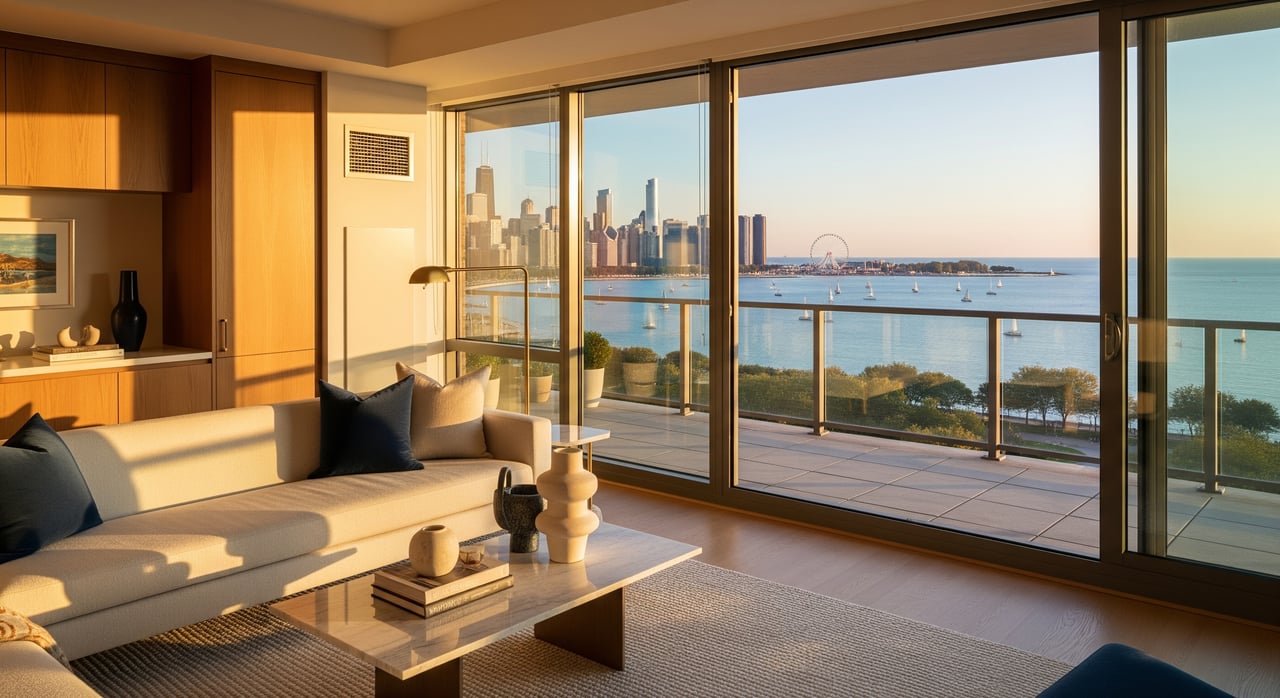
- Visuals: book professional photography and consider twilight shots if your exposure features skyline or river views.
- Staging: consult on layout, scale, and minor furnishings. Declutter and store personal items.
Weeks 0–8 before listing
- Finalize your pricing position using the latest comps and adjustments.
- Prepare marketing that highlights your top three value drivers: view, deeded parking, and recent renovations.
- Pre-market to buyer agent networks and in-building residents where allowed.
- Confirm showing logistics and access instructions that make appointments easy.
Pricing cadence and reaction plan
- After 10 to 14 days: if showing traffic is light, recheck search-price thresholds, photos, and description accuracy. Adjust if you are missing key filtered searches.
- After 21 days: if activity remains soft, apply a measured price reduction based on the comp gap you are seeing.
- After 42 days: reassess market shifts, new competing listings, and your price position. Smaller, earlier adjustments usually beat one large, late cut.
- Multiple offers: look beyond price. Compare closing timelines, inspection terms, and financing strength to pick the best net outcome.
Listing strategy for River North
Small listing details can have a big effect in a comparison-heavy market.
- Use price points that match common MLS search brackets by landing just under key thresholds.
- Make parking terms crystal clear in the first line of your description.
- Disclose HOA inclusions and notable amenities early so buyers understand total monthly cost.
- Showcase what is unique: a protected view corridor, wider living area, tall ceiling loft, or a large terrace.
- For higher HOA buildings, show the net value by explaining what fees include, such as utilities or on-site services.
Watch these metrics weekly
Keep a short dashboard, then adjust your strategy with data rather than gut feeling.
- New listings versus closed sales in River North.
- Average days on market for similar condos.
- Sale-to-list price ratio in your price band.
- Months of inventory for your bed and bath count.
- Count of in-building sales in the last 6 months and differences by floor, view, and parking.
Handle common buyer objections with pricing
Buyers will compare, question, and negotiate. Plan for these themes and address them upfront.
- HOA feels high: explain inclusions and demonstrate total monthly cost versus lower-HOA alternatives that add utility expenses.
- No parking or valet only: clarify availability and cost of deeded parking, or show a fair price offset if none is included.
- Lower floor or obstructed view: lean into interior upgrades, outdoor space, or price advantage versus high-view comps.
- Possible assessments: disclose what is known and price conservatively if a special assessment is likely.
Quick pricing workflow you can follow
- Pull the last 6 to 12 months of in-building sales, then same-block and subarea comps.
- Establish a price-per-square-foot baseline using the most similar closed sale.
- Adjust for floor tier and exposure with paired in-building examples.
- Add or subtract for deeded parking, balcony or terrace, and storage.
- Align finish level and condition using recent renovated versus non-renovated closings.
- Compare HOA amounts and inclusions to show net monthly impact.
- Choose aggressive, market, or aspirational positioning based on goals and inventory.
- Set a 10, 21, and 42-day review cadence with predefined adjustment triggers.
Ready to price with precision and move confidently? If you want a data-backed valuation and a step-by-step plan tailored to your building, reach out to Josh Krish for a neighborhood-specific consultation.
FAQs
How should I use in-building sales when pricing a River North condo?
- Treat recent in-building closings as your baseline, then adjust only for differences such as floor, exposure, parking, and finishes.
How do I value deeded parking for a River North condo listing?
- Compare recent sales that include parking to similar units without it in the same building to estimate a realistic dollar premium.
How long does a well-priced River North condo typically take to sell?
- Timelines vary with supply and demand, but a realistic 60 to 120 day plan is common when you are priced in line with current comps.
Should I list slightly below market to create multiple offers in River North?
- Consider this only when inventory is tight and demand is clear, and balance the speed benefit against the risk of leaving money on the table.
What if my HOA fee is higher than similar River North buildings?
- Highlight what the HOA includes and show the net monthly cost versus lower-fee alternatives that may require separate utility spending.