You want a Lake View condo that fits your lifestyle, budget, and daily routine. The tricky part is choosing between classic walk‑ups with vintage charm and mid‑rise buildings with elevators and modern conveniences. Each option shines for different reasons, and both are popular in Lake View’s high‑demand market.
In this guide, you’ll compare the real differences that matter day to day: stairs and access, HOA fees and reserves, sound, natural light, storage and parking, and long‑term upkeep. You’ll also get a Lake View–specific due‑diligence checklist to help you buy with confidence. Let’s dive in.
Why Lake View is a great fit
Lake View sits on Chicago’s North Side with quick access to the Red and Brown Line trains, multiple bus routes, and the lakefront. You’ll find vibrant pockets like East Lake View, Northalsted/Boystown, and Wrigleyville with restaurants, entertainment, parks, and everyday conveniences.
The building mix gives you real choice. You’ll see:
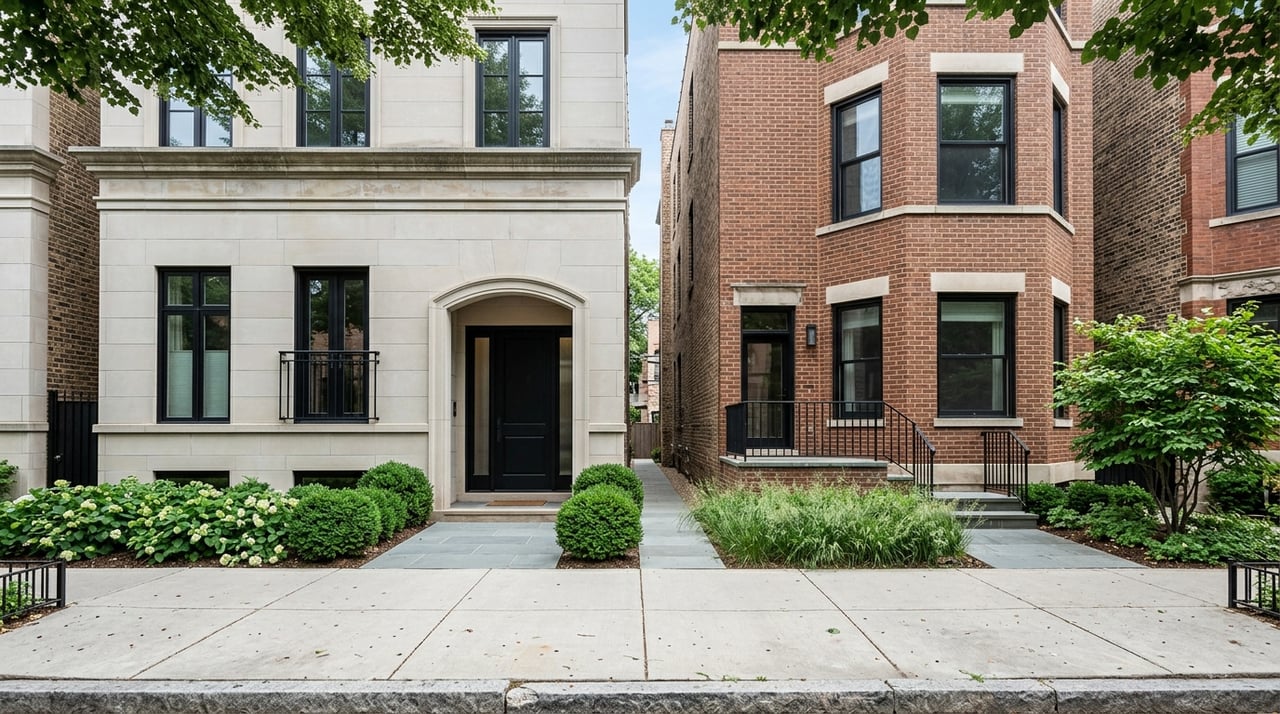
- Vintage masonry and greystone walk‑ups with high ceilings, hardwood floors, bay windows, and character.
- Mid‑rise elevator buildings along major corridors and near transit that offer larger common areas and modern systems.
Because demand is strong, both options attract buyers. Your decision often comes down to lifestyle tradeoffs and the health of each building’s HOA.
Walk‑up condos: what to expect
Walk‑ups usually have 2 to 4 flights of stairs and no elevator. Many are small associations with owner‑run boards.
Pros:
- Character and unique layouts with period details.
- Often on quieter residential blocks near neighborhood amenities.
- Potentially lower monthly assessments in some small associations.
Cons:
- Daily stairs that complicate moves, groceries, strollers, and accessibility.
- Smaller closets, basement storage, and shared laundry in some buildings.
- Maintenance can be unpredictable if reserves are thin and big projects arise.
Mid‑rise condos: what to expect
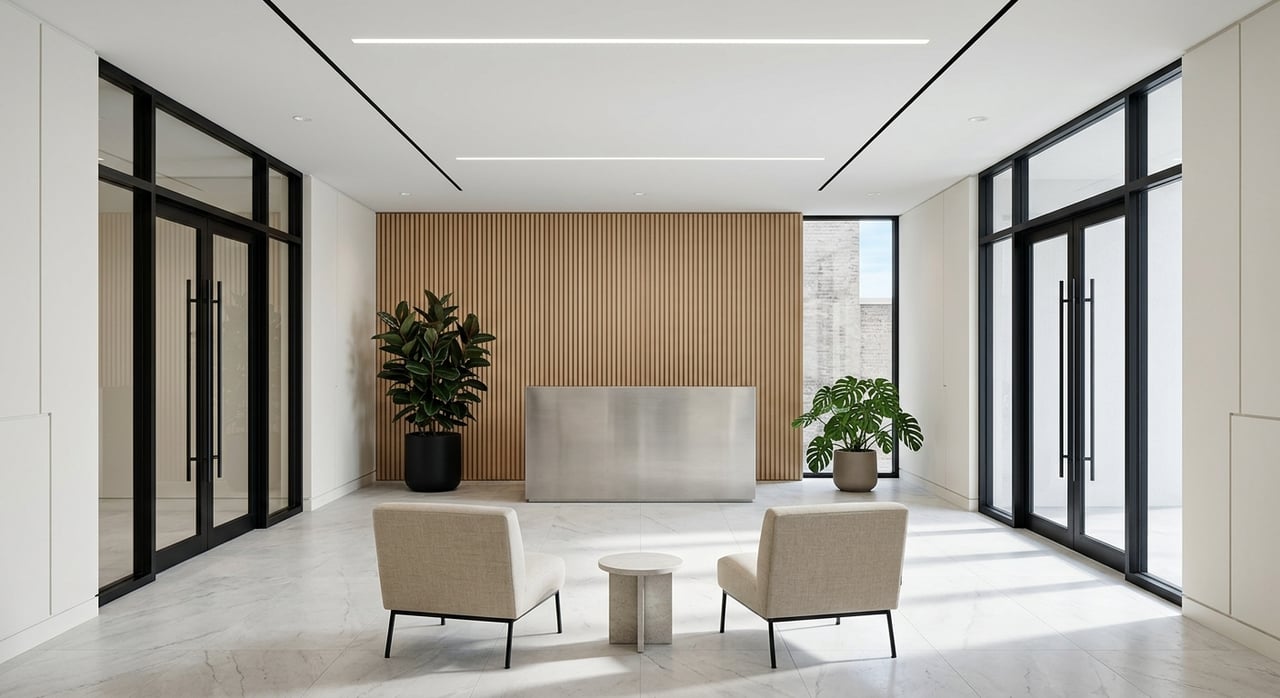
Mid‑rises typically range from about 5 to 12 stories and include elevator access. Many offer staffed lobbies or package areas, especially in newer buildings.
Pros:
- Elevator convenience for all ages and easier deliveries and moves.
- Modern systems with in‑unit laundry in many newer buildings.
- Better sound insulation in many concrete buildings and more formal reserve practices.
Cons:
- Higher assessments if amenities include a doorman, gym, or garage.
- Mechanical complexity and occasional elevator downtime.
- Less vintage detail if you prefer ornate historic finishes.
Stairs and daily convenience
- Walk‑ups: The stairs are real. If you love hosting, get lots of deliveries, or plan a future with small children, consider whether 3 flights will work long term. Some buyers like the exercise and the feel of a smaller building.
- Mid‑rises: Elevators make day‑to‑day life simpler. Moving furniture, hauling groceries, and coming home late after a game at Wrigley Field feel easier. Just know that elevator maintenance can occasionally interrupt service.
HOA fees, reserves, and special assessments
Assessment levels depend on building size, amenities, included utilities, and management style.
- Walk‑ups: Small associations can have lower monthly fees but may lack robust reserves. When major work like roof replacement or exterior masonry is due, boards may levy special assessments.
- Mid‑rises: Fees can be higher to fund elevators, common areas, and amenities. Professional management and reserve studies are more common, which can make expenses more predictable.
Documents to review for any building:
- Current budget and last 12 months of actuals.
- Reserve study and reserve balance.
- Board minutes for the last 12–24 months.
- Special assessments, pending or recent.
- Insurance certificate and master policy details.
- Management and vendor contracts.
- Any litigation disclosures.
Sound and construction differences
- Walk‑ups: Many were built with wood joists and plaster. That can mean more sound transfer, like footsteps above. Layouts with fewer shared walls can help. Ask about past soundproofing work and neighbor noise.
- Mid‑rises: Concrete slabs and modern insulation often reduce noise between units. You may hear building systems like elevators or central HVAC. The higher the floor, the lower the street noise, especially on busy streets like Clark or Broadway.
Smart testing: Schedule a noise walkthrough during active hours, review board minutes for noise complaints, and ask about floor and ceiling construction.
Natural light and unit layouts
- Walk‑ups: High ceilings and bay windows can feel bright and spacious. Some interior units rely on light wells, which can limit daylight.
- Mid‑rises: Newer buildings maximize window walls and corner exposures. Top floors usually get the best light and views. Lower floors may be shaded by nearby buildings.
Tip: Orientation, floor level, and surrounding buildings matter more than the label of walk‑up or mid‑rise. Always check light at multiple times of day.
Storage, laundry, and parking
- Walk‑ups: Storage is often in the basement and can be limited or uneven. Shared laundry is common in older buildings. Parking is usually on‑street with Chicago’s residential permit zones, unless a building has rare off‑street spots.
- Mid‑rises: You’ll often find assigned storage lockers, bike rooms, and in‑unit laundry in many newer buildings. Garage parking may be for sale or lease, which can be a major perk in Lake View.
Maintenance and long‑term upkeep
- Walk‑ups: Exterior work like tuckpointing and roof replacement can be costly. Smaller boards may not have formal reserve studies, which can lead to assessments when big projects arise.
- Mid‑rises: Larger associations tend to have professional management, scheduled maintenance, and formal studies. System complexity adds costs, but planning is often more structured.
What to ask: Request records of capital projects and planned work. For mid‑rises, ask for elevator inspection certificates and mechanical service logs. For walk‑ups, ask about roof age, masonry history, and basement moisture.
Financing and resale considerations
- Financing: Lenders review building health. Small associations with low reserves, litigation, or high investor occupancy can limit loan options. If you need FHA or VA financing, confirm if the project is approved and talk with your lender early.
- Resale: Vintage charm sells to buyers who want character, while mid‑rise convenience appeals to buyers who prioritize elevators, parking, and amenities. Strong factors for resale include proximity to transit and the lake, healthy HOAs, parking availability, and a desirable floor and exposure.
- Rental policies: Check owner‑occupancy rates and any rental caps or short‑term rules. Policies affect financing options and the pool of future buyers.
How to choose your best fit
Ask yourself:
- Daily life: Will stairs impact your routine for groceries, strollers, or guests?
- Sound sensitivity: Do you prefer concrete construction or a smaller, quieter building with fewer neighbors?
- Convenience: Is in‑unit laundry, a package room, and garage parking worth higher assessments?
- Budget predictability: Do you prefer potentially lower fees with a small board or the structure of a professionally managed association?
- Light and layout: Which unit offers better orientation and usable space at your price point?
Lake View due‑diligence checklist
Association and financials
- Budget, actuals, and reserve balance
- Reserve study and special assessment history
- Board minutes for 12–24 months
- Master insurance details and owner policy requirements
- Management and key vendor contracts
- Litigation disclosures
Building condition and inspections
- Walk‑ups: roof age, masonry and tuckpointing history, basement moisture, stair conditions
- Mid‑rises: elevator logs and inspections, central systems age and schedules, amenity condition, fire and sprinkler inspections
- Unit level: plumbing, electrical capacity, window condition, signs of water intrusion, HVAC age and maintenance
Lifestyle checks
- Noise walkthrough at peak times
- Laundry arrangements and storage size
- Parking availability, waitlists, guest parking rules
- Pet policies and any restrictions
Financing and title
- FHA/VA status if relevant to your loan
- Owner‑occupancy rate and rental rules
- Any liens tied to special assessments
Lake View examples that help you decide
- Commuter convenience: If you rely on the Red or Brown Line, a mid‑rise near a station with a package room and elevator might simplify daily life.
- Character first: If you love bay windows and historic detail and do not mind stairs, a classic walk‑up on a residential block could fit perfectly.
- Car owner: If garage parking is a priority, many mid‑rises offer deeded or leased spaces. In a walk‑up, plan on permit parking or seek rare off‑street options.
Your next step
Touring both options will make the tradeoffs clear. Request the association documents early, visit at different times to test noise and light, and talk with a lender about building approval if you need FHA or VA options. When you are ready for a targeted search and a calm, step‑by‑step process, connect with Josh Krish for local guidance and a smooth path from offer to closing.
FAQs
What defines a mid‑rise condo in Chicago?
- In local usage, mid‑rises are taller than typical walk‑ups and include elevator access, commonly around 5 to 12 stories, though exact usage varies.
Are HOA fees usually higher in mid‑rises?
- Often yes, because elevators, lobbies, gyms, and garage operations increase costs, though larger buildings may spread fixed expenses across more units.
How noisy are Lake View walk‑ups compared to mid‑rises?
- Many walk‑ups have wood joist construction that can transmit footsteps and voices, while many mid‑rises use concrete slabs that reduce neighbor‑to‑neighbor noise.
What should I check to avoid surprise special assessments?
- Review the budget, reserves, reserve study, board minutes, and recent or pending assessments, and ask about the age of big‑ticket items like roofs and elevators.
Can I use FHA or VA financing for a Lake View condo?
- It depends on the building’s approval status and overall HOA health, so confirm project eligibility with your lender and the association early in the process.
How important is parking when buying in Lake View?
- It is significant; mid‑rises often offer garage spaces while many walk‑ups rely on residential permit zones, so verify availability, costs, and any waitlists before you buy.