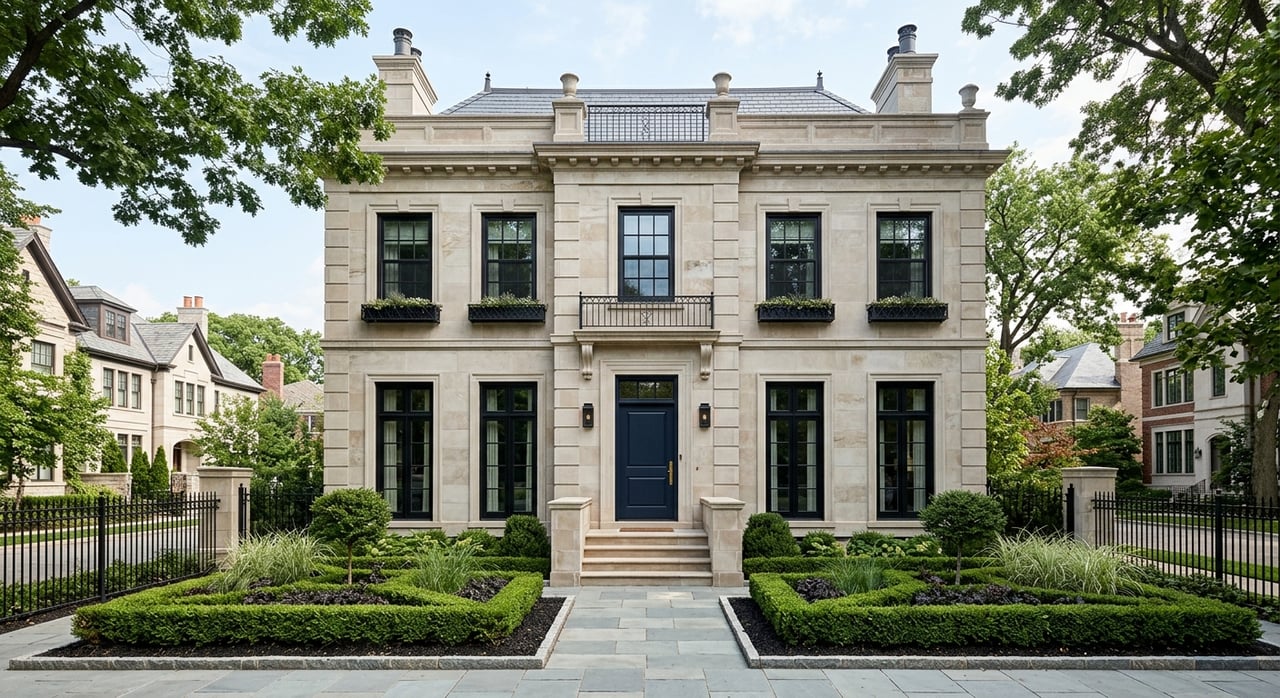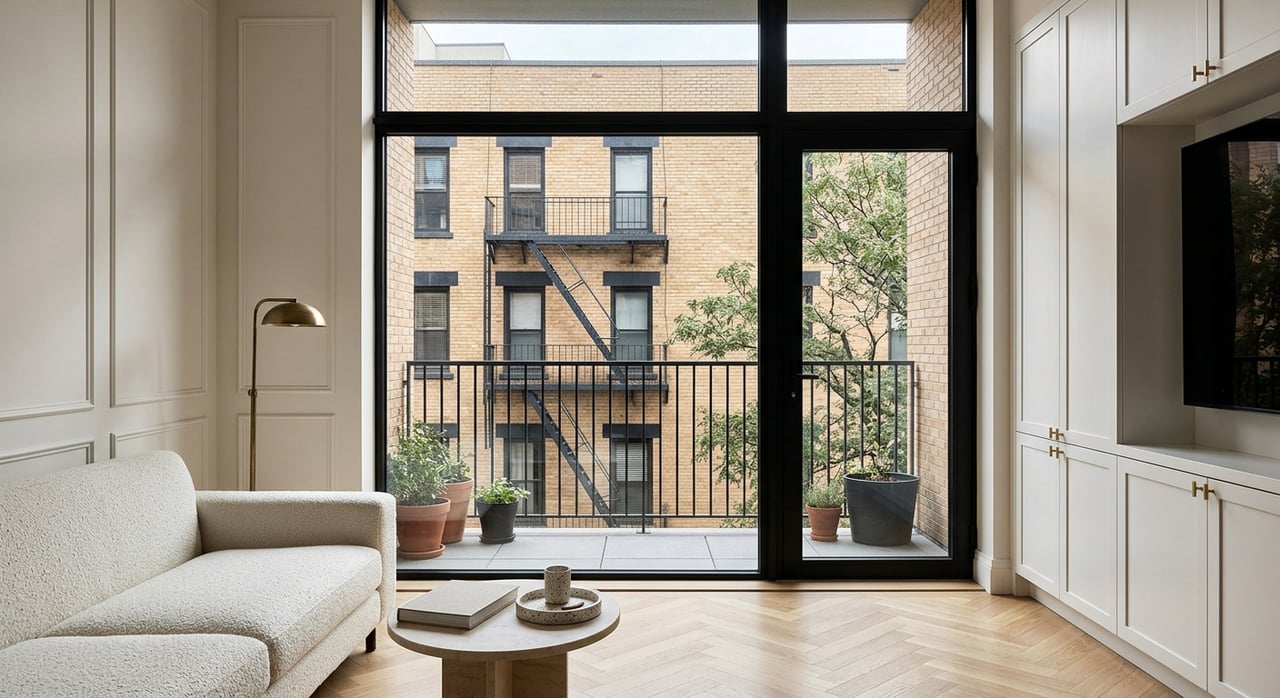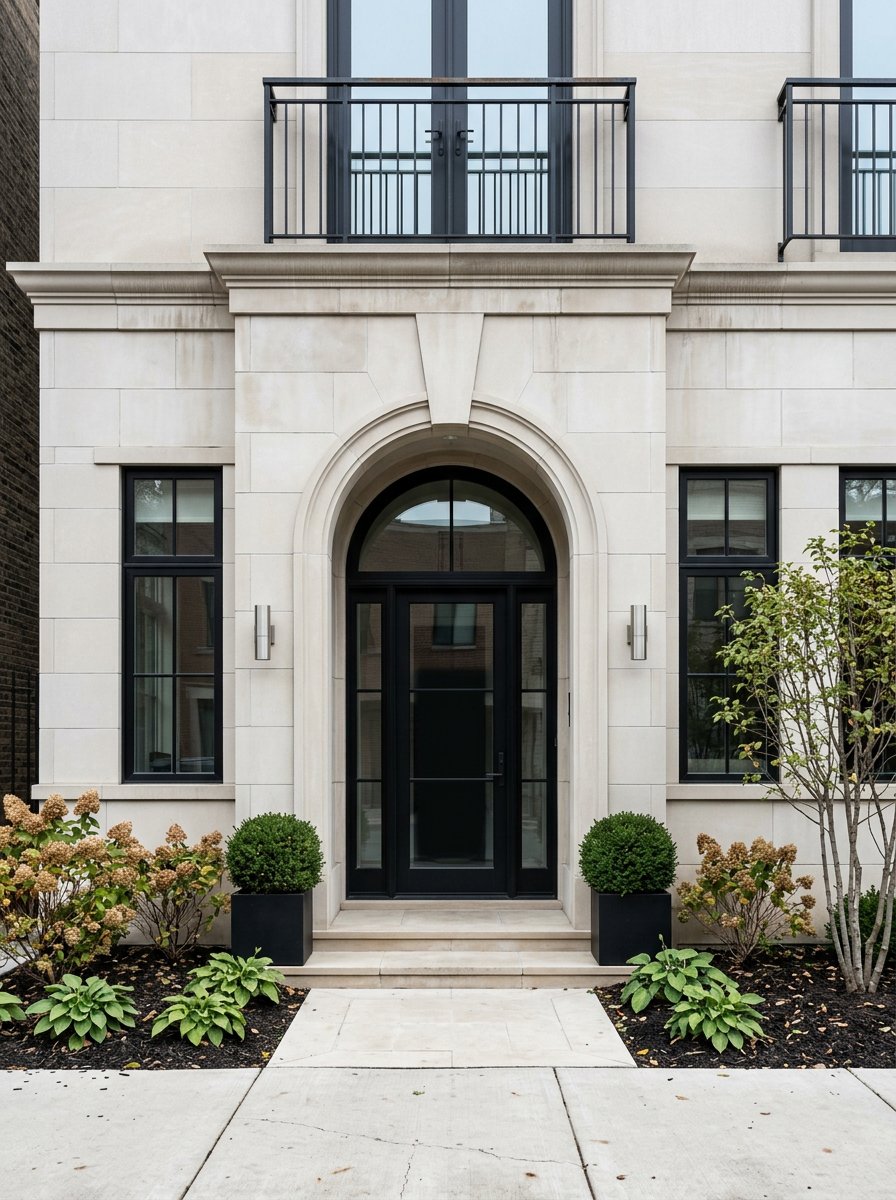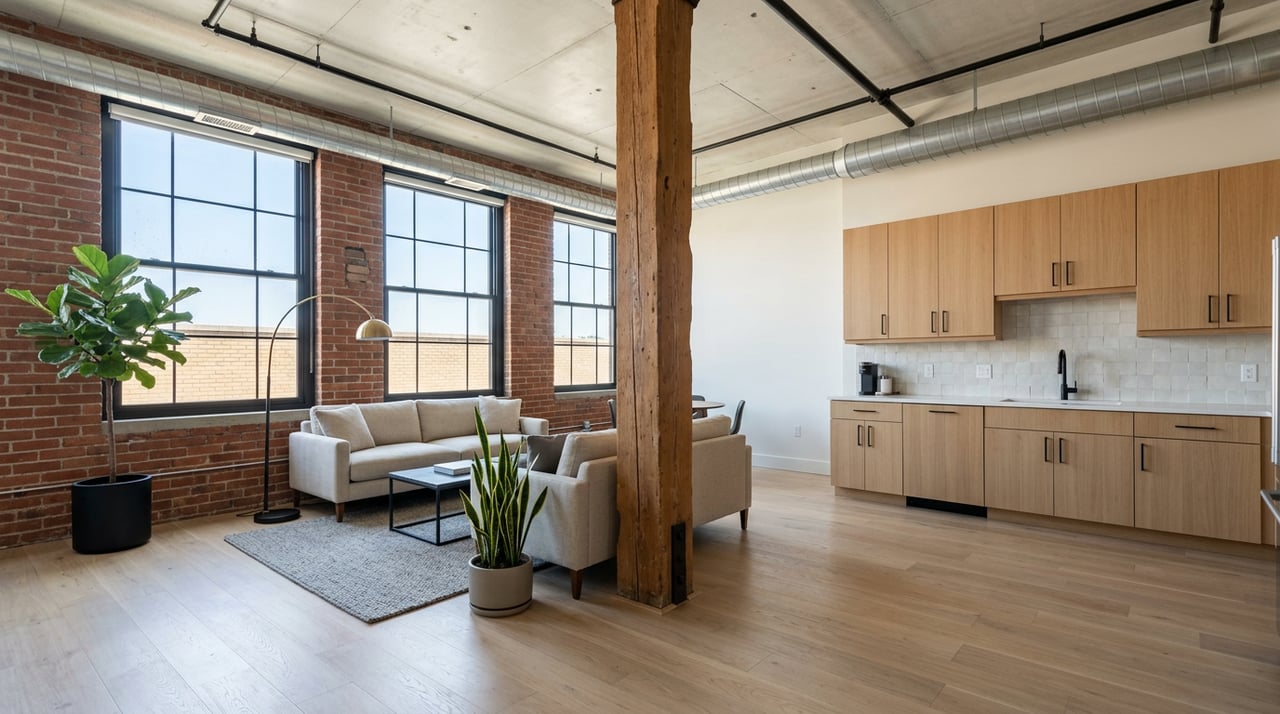
Picture exposed brick, tall factory windows, and dinner on Randolph just steps from your door. If a West Loop loft is on your radar, you likely love character and city energy, but you also want smart numbers and a smooth process. In this guide, you’ll get a clear look at 2026 pricing, the differences between timber and concrete lofts, what to ask your HOA, how financing really works for condos, and a buyer checklist tailored to Chicago. Let’s dive in.
Why West Loop lofts draw buyers
The West Loop blends converted warehouses, new luxury towers, and a thriving dining scene on Randolph Street, with Fulton Market adding major offices and retail. That mix keeps demand strong for homes with style and convenience. Recent luxury deliveries, such as projects highlighted in local coverage of Embry, show steady interest in top-tier condos in the area. You can see that ongoing momentum in this overview of recent West Loop condo activity.
Transit is a daily advantage. The CTA Green and Pink lines stop at Morgan and Clinton, and both Ogilvie Transportation Center and Union Station are a short walk for commuters. Read more about Morgan Station and its connections in this CTA station summary. Easy train access also shapes your parking strategy. Many buyers skip owning a second car or weigh the cost of a deeded space against rideshares and walkability.
Market snapshot for March 2026
As of March 3, 2026, a Redfin snapshot shows a West Loop median sold price near $518,000, with a median price per square foot around $387 and a median of about 84 days on market. Realtor.com’s same-period snapshot lands slightly lower, with a median in the high $400,000s. Different platforms use different data windows, so it helps to confirm trends across sources and then focus on comps for your exact building and loft type.
What this means for you: pricing is sensitive to loft style, building age, and amenities. Historic timber conversions with strong design and good sound control often command premiums, while unusual floor plans or buildings with weaker finances can sit longer. Your offer strategy should pair nearby comps with building-specific facts like reserves, recent assessments, and lender eligibility.
Loft types and what they mean
Hard and timber lofts
Hard lofts are genuine warehouse or factory conversions. You get warm wood beams, columns, brick walls, and large windows. The tradeoff is sound and comfort. Timber floors can transmit more impact noise than concrete if the assembly is not upgraded, so you may need floating floors, underlayments, or decoupled ceilings to reach high-quality isolation.
Minimum sound targets for condos come from the International Building Code, which sets suggested separation levels for multi-unit housing. Learn the basics of STC and IIC in this quick IBC overview. For why mass matters and how to improve timber assemblies, see this acoustics-in-mass-timber explainer. In older conversions, also look closely at life-safety systems, including sprinklers and protected exits.
Concrete lofts and podium buildings
Concrete slab-and-column structures typically offer better airborne sound isolation due to higher mass. That can mean a quieter experience between floors, though finishes and ceiling treatments still matter. Concrete often has strong passive fire separation as well. On the flip side, you may see different ceiling heights or thermal behavior compared with timber buildings.
Soft lofts and new towers
Soft lofts are newer buildings with high ceilings and open plans that aim for a loft feel, while offering modern HVAC, insulated windows, and stronger sound assemblies. Newer towers frequently add full-service amenities and can be easier for lenders to approve. If you want character without as many retrofit unknowns, a soft loft or new high-rise can be a practical middle ground.
Sound, fire, and comfort: what to check
Acoustics
The IBC suggests that multi-unit buildings reach STC and IIC of about 50 or greater, but your comfort depends on the real, field-built assembly. Ask what floor-ceiling system the building uses and whether any sound tests exist. Timber floors may need added layers to control footfall. Plan to listen during busy hours, and factor potential acoustic upgrades into your budget. A short primer on the code standard is here: IBC Section 1207 summary. For practical solutions with mass timber, review this engineering article on noise control.
Fire and code
Heavy timber can perform well when designed and protected correctly, but older conversions rely on specific strategies like sprinklers, protected connections, and proper egress. You want proof that the conversion was permitted and that systems are up to date. For context on how fire professionals view tall wood structures, see this training piece on timber buildings.
Windows and comfort
Many hard lofts keep original window openings. If glazing is older or single-pane, Chicago winters can test comfort and energy costs. Replacements can be expensive, especially in landmark buildings, so confirm window age, condition, and association rules for replacements. Also check HVAC type and age, plus how the building handles heating and cooling in large, open spaces.
HOA, rules, and your rights in Illinois
Most West Loop lofts are condominiums governed by the Illinois Condominium Property Act. On a resale, you have a legal right to a full document packet under Section 22.1, which should include the declaration and bylaws, rules and regulations, reserve details and amounts, anticipated capital expenditures for the current and next two fiscal years, the most recent financial statement, a statement of unpaid assessments, and disclosure of pending suits or judgments. Read the statute here: Illinois Condominium Property Act, Sec. 22.1.
Key items to review closely:
- Reserve funding and special assessments. Low reserves or recent large assessments affect both carrying cost and lending.
- Minutes of recent board meetings. Look for upcoming projects, elevator or roof plans, and litigation.
- Master insurance. Confirm coverage scope, deductible, and what the association insures versus your HO-6.
- Commercial neighbors and building rules. In restaurant-heavy zones, check rules for odors, exhaust, and hours, plus rooftop and trash policies.
Planning a business from your loft? Chicago zoning allows specific live/work arrangements in certain districts, with minimum area and separation requirements. Always verify that your unit’s recorded rights allow business use and client visits. You can review the framework in the Chicago Zoning Ordinance.
Financing and insurance basics for lofts
Condo loans look at the project as well as your personal finances. Fannie Mae’s condo standards evaluate items like reserve funding, delinquency rates, commercial share, and owner-occupancy. Projects with weak reserves, heavy commercial space, or high delinquencies can limit available loan products or raise down payment needs. See Fannie Mae’s condo project eligibility overview.
Important project tests lenders check:
- Reserves. Lenders often expect a budget that allocates about 10 percent of annual assessment income to replacement reserves, or a recent reserve study that supports a different level. Details appear in Fannie Mae’s full review standards.
- Delinquencies. Many lenders flag projects where more than about 15 percent of units are 60-plus days past due on assessments.
- Owner-occupancy and pre-sales. Newly converted buildings may need a minimum percentage of owner-occupants or contracted buyers before standard loans are available.
Insurance is part of the math. The association’s master policy will define what you must insure inside the unit. Ask for the certificate and declarations. For older structures, request any records related to lead paint, asbestos, or prior remediation, since that history can affect both insurability and future projects.
A smart due-diligence plan
Use this sequence to reduce surprises and protect your financing options:
- Confirm your loft type and likely tradeoffs. List whether it is a hard timber conversion, concrete building, soft loft, or new tower, and note any expected acoustic or maintenance needs.
- Request the Illinois statutory resale package early. Section 22.1 documents are your right and outline the building’s financial and legal health. Start here: IL Condo Act, Sec. 22.1.
- Review association finances with your lender in mind. Ask about budgeted reserve contributions, recent or upcoming assessments, current delinquency rate, and any litigation.
- Inspect for structure, life safety, and acoustics. Hire a general inspector. In timber buildings or units with exposed structural changes, add a structural engineer. Do a noise-focused walk-through during peak hours.
- Verify the Certificate of Occupancy and permit history. A proper CO is required for a change to residential use. You can reference the City’s rules on CO here: Chicago code on certificates of occupancy. Confirm there are no open violations.
- Check windows, envelope, and HVAC. Get clarity on age, service history, and replacement rules.
- Confirm project eligibility with your lender. Ask specifically about reserve funding, delinquency thresholds, and any red flags that would limit conventional or FHA options.
- Clarify parking and storage. If a deeded space is not included, compare the cost of monthly garage parking with transit and rideshare use.
Parking, transit, and daily life
Life in the West Loop often means walking to dinner on Randolph or a quick train ride on the Green or Pink Line. If you commute via Metra, living near Ogilvie or Union Station can shrink your door-to-door time. Because many loft buildings sit near restaurants and mixed-use spaces, pay attention to your unit’s orientation and building rules about noise and odors. If you value quiet, look for concrete construction, good window assemblies, and an interior or courtyard-facing home.
If you plan to keep a car, confirm whether the listing includes deeded parking, whether it is heated, and what guest parking options exist. If a space is not included, price out nearby monthly garages and factor that into your budget.
How we help you buy the right loft
Buying a loft is as much about fit as it is about price. You want character, comfort, and a building that supports financing and resale. Our team helps you compare buildings through the lens of reserves, delinquencies, and project eligibility, then lines up inspections and document reviews that address loft-specific risks like acoustics, windows, and sprinklers. We coordinate with your lender early to confirm project approvals, and we negotiate with a clear view of upcoming capital items and assessment history.
You get transparent communication, fast responses, and local insight about blocks, transit, and daily-life tradeoffs. If you are relocating, we handle digital tours and scheduling around travel, so you can move forward with confidence.
Ready to find the right West Loop loft and buy it with eyes wide open? Reach out to Josh Krish to start your plan.
FAQs
Are West Loop lofts harder to finance than typical condos?
- Possibly. Lenders review the whole condo project for reserves, delinquencies, commercial share, and owner-occupancy. Buildings with weak reserves or high delinquencies may limit loan choices or raise down payment needs.
Timber vs. concrete lofts: which is better for sound?
- Concrete usually provides better airborne sound isolation due to higher mass, while timber can need added acoustic layers. Your best bet is to review floor-ceiling assemblies, listen during peak times, and budget for upgrades if needed.
What HOA red flags should make me walk away?
- Watch for near-zero reserves with no current study, more than roughly 15 percent of units delinquent on assessments, major unresolved litigation tied to structure or safety, and a missing or improper Certificate of Occupancy.
Can I run a business from my West Loop loft?
- Sometimes. Chicago zoning allows certain live/work setups, but not every condo permits client traffic or commercial use. Verify your unit’s recorded rights and the building’s rules before you commit.
Which documents should I always request before I waive contingencies?
- Ask for the full Section 22.1 resale package, recent board minutes, current budget with reserve line item, master insurance certificate, any reserve study, CO and permit history, and a recent statement of assessments and delinquencies.